

 March 2022 | Ruth Freeman
If you are worried about your child’s mental health or emotional well-being, you are not alone. More than 150 organizations led by the American Academy of Pediatrics, the American Academy of Child and Adolescent Psychiatry and Children’s Hospital Association are sounding the alarm for kid’s mental health.
The good news in this world of worry is that there are things you can do to help:
If you are concerned about your child’s mood or behavior, if you think you are seeing signs of emotional distress in any way, talk to your child’s teacher, school counselor or pediatrician. It isn’t unusual that some kids keep it together during the day at school and show their distress once at home. Trust your gut and keep asking for help until you get it. For more information
Looking for More Support?
Questions? Email us at solutions@peaceathomeparenting.com
And now for the shameless plug…
Don’t have a Peace at Home Parenting Portal? Let’s fix that. Ask your company, school, or favorite neighborhood group to join us. We’ve got Corporate, K-12 School, and Family Service programs that bring calm to the chaos—no yoga mat required. Click here to join as an individual or family.

You've said it to your kid a hundred times: "Okay, five more minutes." You've said it to yourself, too, right before your phone somehow ate half an hour you did...
August 26 , 2026
School starts in a few weeks, and if your house already sounds like this, you are not imagining that it has gotten worse. “Five more minutes” turns into fifteen...
August 17 , 2026
Quick Summary: If your child won't listen without yelling, it's often a connection problem, not a behavior problem. Try "collecting" your child before giving di...
August 11 , 2026
Quick Summary: Two new studies link higher screen time to weaker academic performance, working memory, and well-being in kids. Screens alone don't determine a c...
August 04 , 2026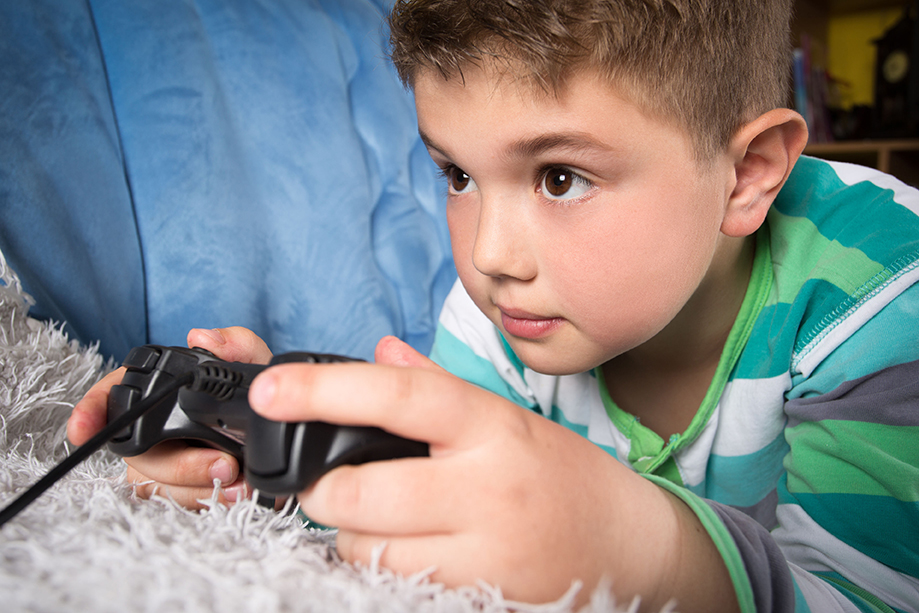
Quick Summary: Hours spent as the "director" of a virtual world flip the natural hierarchy kids need at home. When you ask them to step down and follow your lea...
July 21 , 2026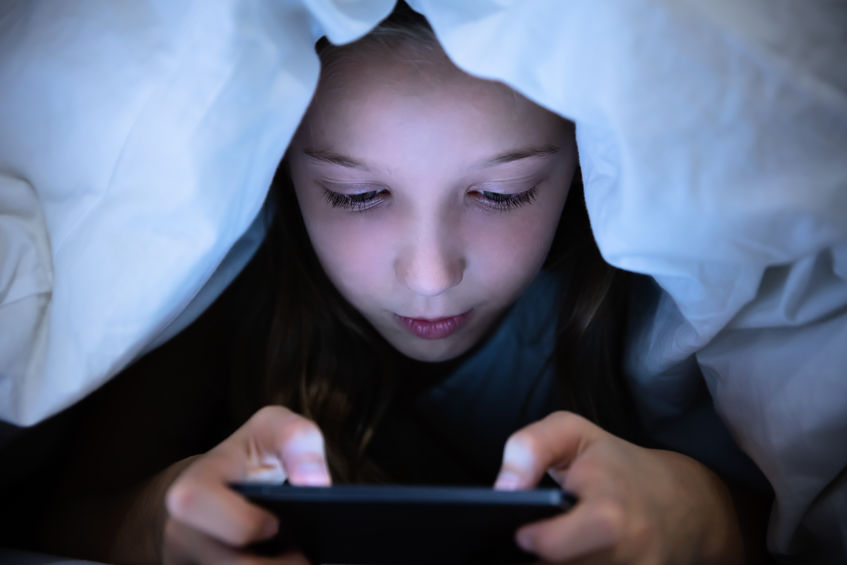
Quick Summary: Screens act as digital anesthesia, numbing loneliness, boredom, or rejection the moment a child feels it. But kids only build emotional resilienc...
July 21 , 2026