
 October 2024 | Ruth Freeman
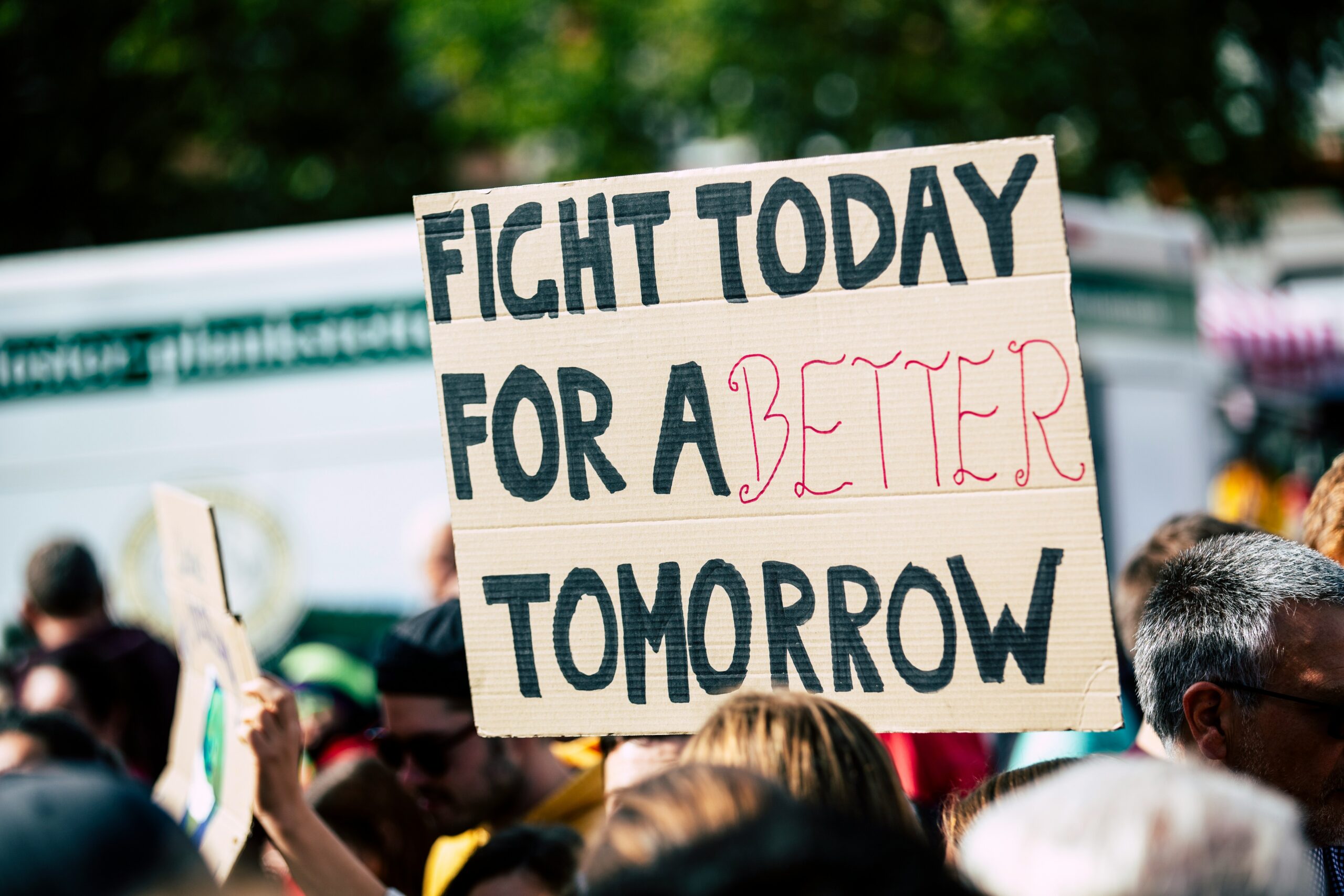
With elections in full swing, kids are bound to hear about politics—whether it’s from the news, social media, or conversations at school. You may wonder how to talk to them about these complex issues in a way that makes sense and doesn’t overwhelm them. Here are some practical tips for navigating political conversations with your kids.
Younger children might not understand the details of politics, but they do grasp fairness and rules. For example, you can talk about voting as a way people make decisions and how leaders help keep things running smoothly. For older kids and teens, the conversation might shift to issues like social justice, climate change, or the economy. Encourage them to ask questions, share their opinions, and understand different points of view. Remember to listen with respect, even if you disagree with your child. Ask them about what has contributed to their point of view.
Ask your child what they’ve heard about the election or political issues. Ask them what their friends are saying. Use this as an opportunity to teach them how to fact-check information and think critically about what they hear. For example, you could compare two news sources and ask, “What differences do you notice in how they’re reporting the same story?” Helping your child develop media literacy will serve them well beyond election season.
Political discussions can be heated, but it’s important to model calm and respectful conversations. If a political debate gets emotional in your household, take a moment to calm down and then explain how disagreements can be worked through. For example, “I got upset earlier because this topic is important to me, but it’s okay to have different opinions. What matters is that we talk respectfully and listen to each other.”
Help your child understand that different opinions don’t make someone bad or wrong. For example, if your child hears a classmate say something they disagree with, you can guide them in saying, “I see it differently, but I’d like to understand why you feel that way.” This helps foster empathy and respectful dialogue, even when opinions differ.
During election season, it’s easy to get overwhelmed by constant political news. For younger kids, limit exposure to political ads or heated debates, as these can cause unnecessary anxiety. For older children, encourage them to take breaks from media and be mindful of how often conversations around them are related to politics.
Looking for More Support?
Questions? Email us at solutions@peaceathomeparenting.com
And now for the shameless plug…
Don’t have a Peace at Home Parenting Portal? Let’s fix that. Ask your company, school, or favorite neighborhood group to join us. We’ve got Corporate, K-12 School, and Family Service programs that bring calm to the chaos—no yoga mat required. Click here to join as an individual or family.

Quick Summary: Understanding child development stages helps you respond to your child with confidence instead of guesswork. This roadmap explains what's normal...
July 20 , 2026
Quick Summary: Simple summer traditions, not a jam-packed bucket list, are what actually build connection with kids. Two or three anchor rituals paired with wid...
June 30 , 2026
Summer is here. The familiar panic sets in right on schedule. The days stretch out forever and those digital screens are glowing brightly, begging for attention...
June 16 , 2026
Quick Summary: Kids with emotional and behavioral challenges need more than behavior charts or skills training, they need to feel safely connected to a parent f...
June 16 , 2026
Quick Summary: Fathers often parent from old wounds without realizing it, reacting to a child's meltdown as if it were a threat instead of a normal developmenta...
June 08 , 2026
Before You Blame Screens: Understanding Your Child's End-of-School Emotional Surge The first week of June is already behind us. The weather is finally tur...
June 08 , 2026